In Mexico, the sweet-scented marigold (Tagetes lucida) is an aromatic plant with a long history. Known locally as pericón, this member of the sunflower family (Asteraceae) is valued for its distinctive anise-like fragrance, traditional uses, culinary applications, and essential oil. Tagetes lucida is a perennial herb native to Mexico through Central America, with Mexico forming an important part of its natural range.
What Is Sweet-Scented Marigold?
Sweet-scented marigold is a fragrant perennial herb that produces small yellow flower heads and aromatic leaves. Its strong scent has been compared with anise, which is why the plant is traditionally used as a flavoring herb in some Mexican foods and beverages.

In Mexico, Tagetes lucida grows mainly in temperate and transitional environments. Research reports its occurrence at elevations ranging roughly from 800 to 2,700 meters, while other studies describe populations at approximately 1,400–2,800 meters. It can occur in pine, oak, pine-oak, and broadleaf vegetation. The plant generally flowers from late summer into autumn, with one Mexican agricultural study reporting flowering from approximately mid-August through October.
Origin and History of Sweet-Scented Marigold
The genus Tagetes plant (Sweet-scented marigold) has a strong connection with Mexico. Botanical research describes Mexico as an important center of origin and diversity for the genus, which includes numerous species used as medicinal, ornamental, culinary, and ceremonial plants.
Known as pericón in Mexico, its long history of use in Mexico is reflected in its name, as well as indigenous and regional traditions surrounding the plant.
Furthermore, ethnobotanical research in the State of Mexico has documented T. lucida as part of local herbal traditions. Communities have traditionally used the plant in preparations such as teas and have also incorporated it into food preparation.
Production and Harvesting of Marigolds in Mexico
Sweet-scented marigold has historically been obtained largely through wild collection rather than intensive commercial cultivation in some Mexican communities. For example, an ethnobotanical study in the state of Mexico, found that many people commonly collected Tagetes species from the surrounding landscape.
The pericón plants were generally used fresh rather than stored. Availability is strongly connected to the rainy season and flowering period. Also, researchers noted that pericón can sometimes be found throughout the year.
This traditional collection system is important when considering the future production of sweet-scented marigold. Increased commercial demand can place pressure on wild populations. In the state of Morelos, a study on plant commercialization documented concerns about the extraction of T. lucida for the sale of traditional pericón flower crosses associated with the celebration of San Miguel Arcángel.
For sustainable production, cultivation rather than uncontrolled wild harvesting can help provide a more consistent supply while reducing pressure on natural populations.
Essential Oil Production
One of the most interesting commercial possibilities of sweet-scented marigold is its essential oil. Research on Mexican populations of Tagetes lucida has investigated the chemical composition and potential agricultural applications of its essential oil. In one study involving a population from Hidalgo, hydrodistillation produced an essential-oil yield of approximately 0.2%, with estragole and anethole among the most abundant compounds identified.
The chemical composition of the oil can vary between populations, which is important for growers and processors interested in producing standardized essential oils.
Research has also examined the oil’s potential against plant pathogens. A recent Mexican study reported antifungal activity against Botrytis cinerea, suggesting possible applications for agricultural research and biocontrol. These findings represent research potential rather than proof that the plant or its oil should be used as a commercial fungicide without appropriate testing and regulatory approval.
Traditional Uses of Sweet-Scented Marigold in Mexico
Sweet-scented marigold has a particularly diverse range of traditional uses.
1. Herbal tea
In several Mexican communities, the aerial parts of Tagetes lucida are traditionally prepared as an infusion. Ethnobotanical research in Nicolás Romero documented its traditional use for digestive complaints, including stomach pain and diarrhea, as well as for relaxation and menstrual discomfort. These are traditional uses, not a substitute for medical treatment, and scientific evidence for specific medical benefits varies.

2. Culinary flavoring
The plant’s characteristic anise-like aroma makes it useful as a culinary herb.Ethnobotanical research has documented its use for flavoring atole and for adding aroma and flavor to foods such as cooked corn and chayote. Its aromatic character has also contributed to traditional preparations of beverages and other foods.
3. Ceremonial and cultural uses
Pericón has an important cultural role in parts of Mexico. The plant has traditionally been used in ceremonial contexts, and recent research has documented the commercialization of pericón flower crosses for the celebration of San Miguel Arcángel in parts of central Mexico. These traditions demonstrate that the value of Tagetes lucida extends beyond its botanical characteristics: the plant is also part of local cultural knowledge and seasonal practices.
4. Traditional medicine
Traditional Mexican herbal practices have used pericón for a variety of purposes. Documented ethnobotanical uses include preparations associated with digestive complaints, menstrual discomfort, relaxation, fever, and other traditional indications. Because traditional use does not necessarily establish clinical effectiveness or safety, medicinal claims about Tagetes lucida should be presented carefully.
5. Agricultural research
Scientists have investigated compounds from Tagetes lucida for potential agricultural applications. Studies have examined its essential oil in relation to insects, nematodes, and fungal plant pathogens.
This makes sweet-scented marigold interesting not only as an aromatic herb but also as a possible source of naturally derived compounds for agricultural research.
Why Sweet-Scented Marigold Matters in Mexico
Sweet-scented marigold represents an interesting intersection of botanical diversity, traditional knowledge, food culture, agriculture, and local commerce. Its natural distribution in Mexico, traditional harvesting practices, aromatic properties, culinary uses, ceremonial importance, and essential-oil research all contribute to its value.
At the same time, growing demand makes sustainable management increasingly important, particularly in areas where the plant is collected from the wild.
For farmers and agricultural businesses, cultivation could provide an opportunity to produce a consistent supply of pericón while reducing dependence on wild collection. For researchers, the plant’s essential oil and aromatic compounds offer areas for continued investigation.
Conclusion
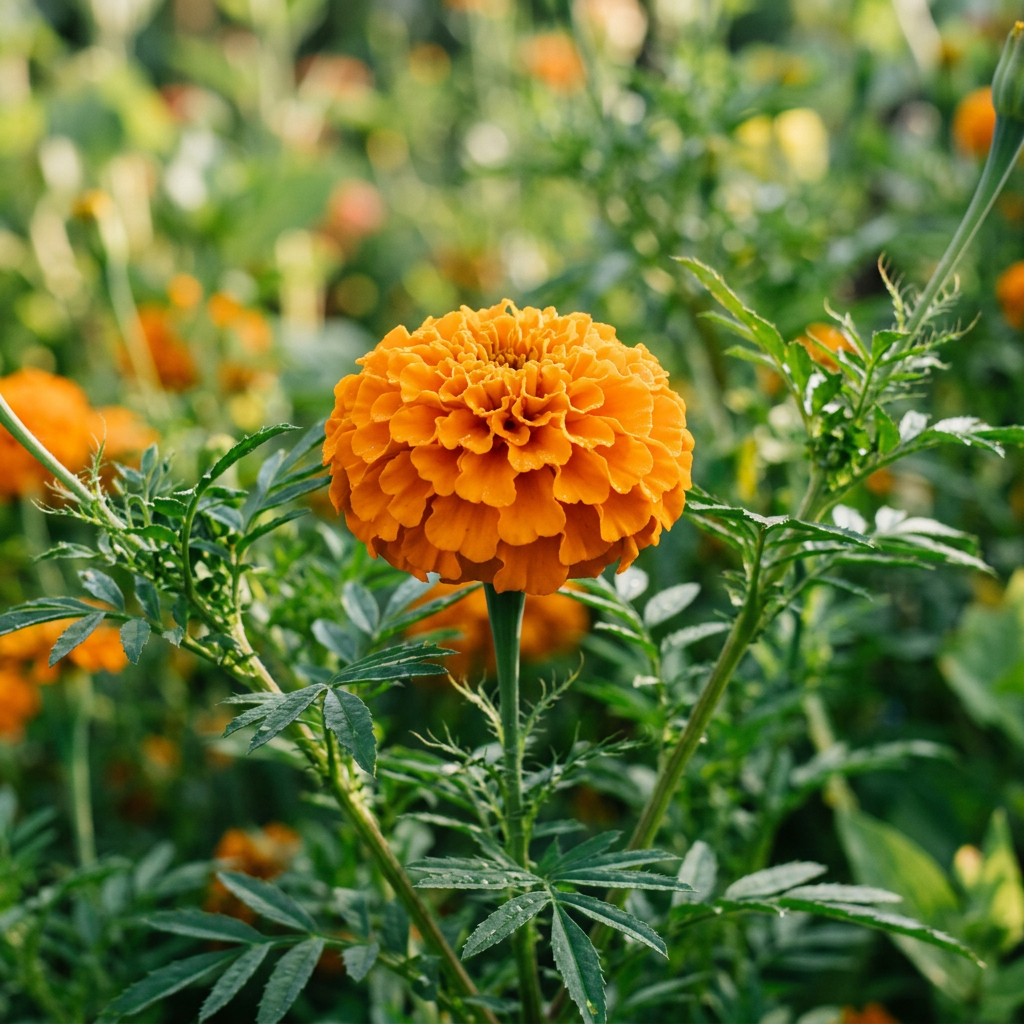
It is important not to confuse sweet-scented marigold (Tagetes lucida) with cempasúchil (Tagetes erecta). Sweet-scented marigold is generally recognized for its intensely aromatic foliage and flowers and its anise-like scent.
Sweet-scented marigold (Tagetes lucida) is much more than an aromatic flower. Native to Mexico and Central America, the plant has been incorporated into Mexican culinary traditions, herbal practices, ceremonies, and local markets for generations.
Author: AllMexico.store
Frequently Asked Questions
What is sweet-scented marigold?
Sweet-scented marigold is Tagetes lucida, an aromatic perennial plant native to Mexico and Central America. In Mexico it is commonly called pericón or yiahutli.
What is sweet-scented marigold used for in Mexico?
Traditional uses include herbal infusions, culinary flavoring, ceremonial practices, and traditional medicine. Its essential oil is also being investigated for agricultural and other potential applications.
Where does Tagetes lucida grow?
Its native range extends from Mexico to Honduras. In Mexico, it occurs across multiple regions and is associated with temperate and transitional environments, including elevations of roughly 800–2,800 meters depending on the population and source.

Can sweet-scented marigold be cultivated?
Yes. However, some traditional production systems have relied heavily on wild collection. Developing managed cultivation can be useful for creating a more reliable supply and reducing pressure from excessive harvesting of wild plants.
Today, research into its essential oil and agricultural potential is adding new dimensions to the plant’s value. As interest in natural products and traditional Mexican crops grows, sustainable cultivation and responsible harvesting will be increasingly important for preserving both the plant and the cultural knowledge surrounding it.
Did You Know?
Unlike the large orange and yellow marigold commonly called cempasúchil (Tagetes erecta), sweet-scented marigold is a different species.