A Global Celebration of Mexico’s Iconic Spirit
Introduction
Annually, aficionados and casual sippers alike come together to raise their glasses in celebration of the International Day of Tequila on July 24. This spirited occasion is dedicated to honoring tequila—Mexico’s globally renowned distilled beverage made from the blue agave plant. Internationally, tequila has secured its place as a symbol of Mexican heritage and craftsmanship. The International Day of Tequila offers an opportunity not only to enjoy this unique spirit but also to reflect on its rich history, production methods, cultural significance, and place in the world of gastronomy and mixology.

The Origins of Tequila
Tequila’s story begins in the arid plains and volcanic soils of the Mexican state of Jalisco. The indigenous peoples of the region, centuries before the arrival of Spanish conquistadors, fermented agave to produce pulque—a milky, lightly alcoholic beverage central to religious and social ceremonies. In the 16th century, when the Spanish arrived, and their brandy supplies dwindled, they began distilling agave. The result is what we now know as tequila.
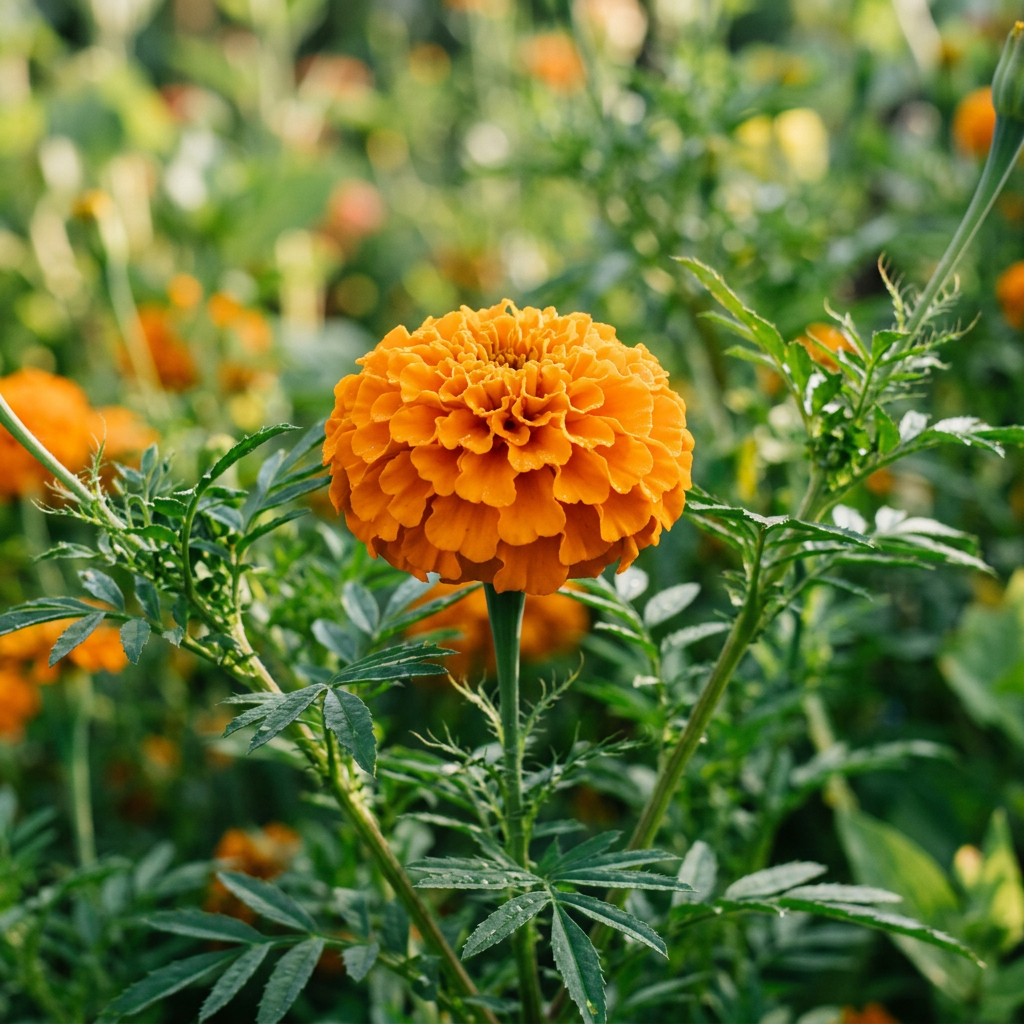
The town of Tequila, nestled in the heart of the state of Jalisco, became the epicenter of this burgeoning industry. The combination of mineral-rich soil and climate proved ideal for cultivating blue agave (Agave tequilana Weber var. azul). By Mexican law, this is the only species of agave permitted to be used in tequila production. Over generations, methods evolved, traditions were codified, and tequila transitioned from local staple to international export.
When is the International Day of Tequila?
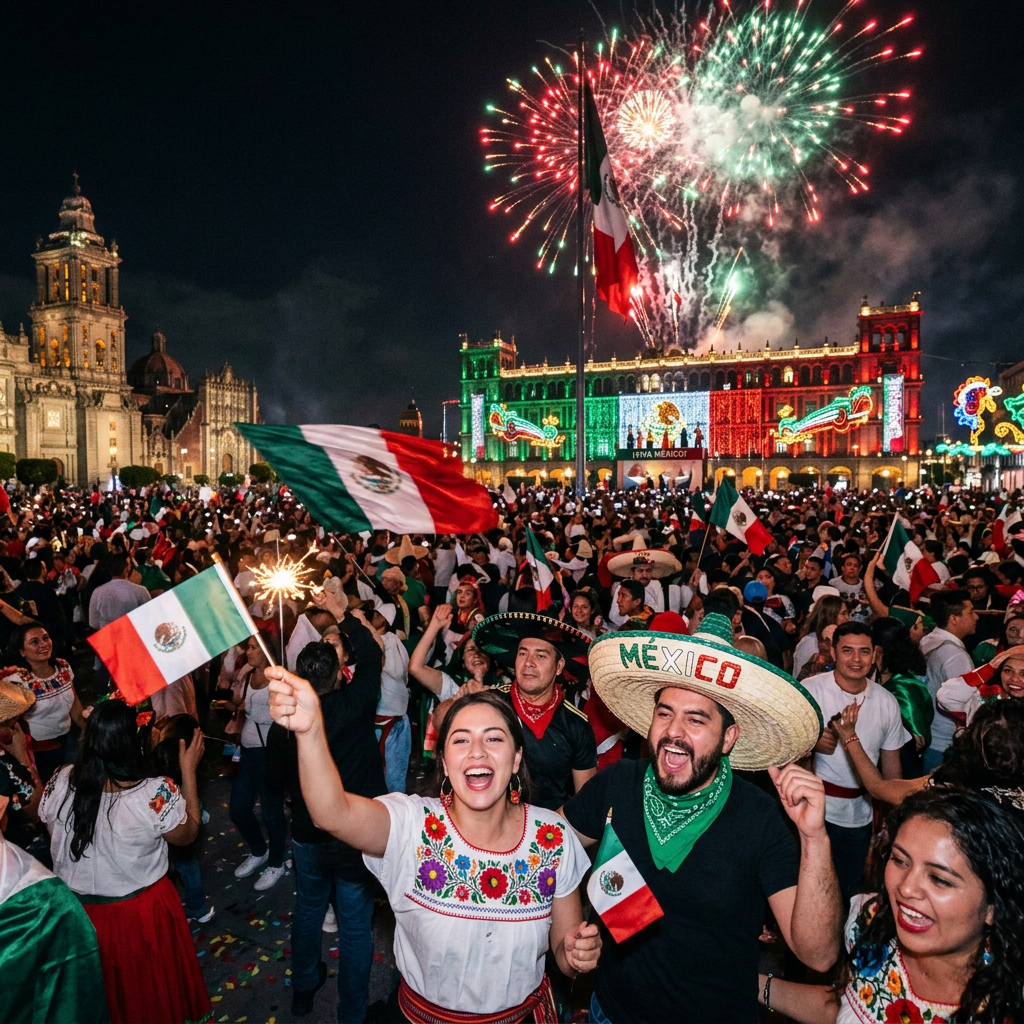
Every year, the most widely recognized International Day of Tequila falls on July 24, while there is some variation in how the day is observed. This date serves as a focal point for festivals, tastings, educational workshops, and cultural events both in Mexico and abroad. Bars and restaurants often feature special tequila-centric menus or creative cocktails to mark the occasion.
The Tequila-Making Process
Crafting tequila is an art that balances tradition with innovation. The process begins with the blue agave plant, which takes 7–10 years to mature. Jimadores—skilled agave harvesters—use specialized tools called “coas” to carefully remove the spiky leaves, revealing the heart or “piña.” These piñas are then roasted or steamed to convert the plant’s complex carbohydrates into fermentable sugars.

The cooked agave is crushed to extract its sweet juice, known as “aguamiel.”

Fermentation transforms this sugary nectar into alcohol, and the resulting mash is distilled—usually twice, sometimes three times—to purify and concentrate the spirit. By law and tradition, tequila is only produced within specific regions of Mexico and adheres to strict standards laid out by the Consejo Regulador del Tequila (CRT).

Tequila is classified into several types based on aging: Blanco (Silver), Reposado, Añejo, and Extra Añejo.
Not sure which tequila is right for you? Download the Ultimate Guide on How to Select Tequila to learn how to choose the best bottle for any occasion. You’ll discover the differences between blanco, reposado, and añejo, what to look for on the label, and simple tips for finding great quality at any budget. This guide will help you select tequila with confidence.

Cultural Significance
Moreover, tequila is far more than a drink—it is a symbol of national pride, painstaking craftsmanship, and communal joy. In 2006, UNESCO recognized the agave landscape and the ancient industrial facilities of Tequila as a UNESCO World Heritage Site, acknowledging the spirit’s integral role in Mexican culture. Throughout Mexico, tequila is woven into celebrations, rituals, and family gatherings, often shared in toasts that affirm kinship and gratitude.
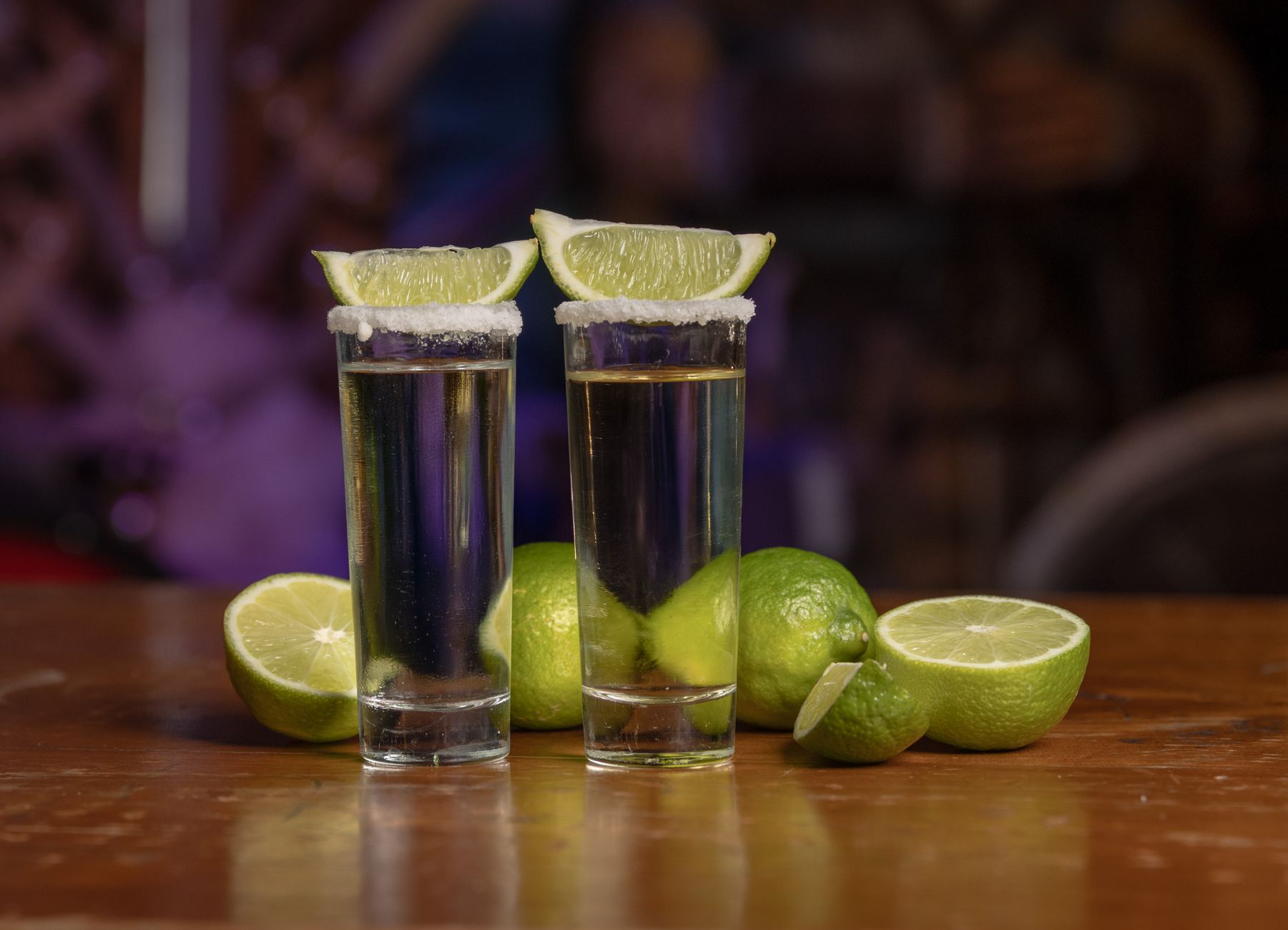
The ritual of sipping tequila—neat, from a glass designed to highlight its aroma—is different from the image of “shots” and salt that prevails elsewhere. The rich history and etiquette surrounding tequila are a testament to its stature, not just as a beverage, but as a cultural ambassador.
Global Impact and Economic Importance
The tequila industry plays a vital role in Mexico’s economy, supporting thousands of jobs in agriculture, distillation, bottling, and export. Major producers operate alongside small family-run distilleries, both contributing unique expressions to the market. In recent years, tequila has become one of the most exported spirits worldwide, particularly to the United States, Europe, and Asia.
International Day of Tequila is now celebrated globally, with events ranging from sophisticated tastings in New York’s high-end bars to lively street parties in London, Tokyo, and Sydney. Tequila tourism has also flourished, with visitors flocking to Jalisco’s agave fields and historic distilleries to witness the craft firsthand.
Tequila in Cocktails and Gastronomy
Tequila’s versatility has made it a darling of mixologists and chefs across the world. Classic cocktails such as the Margarita and the Tequila Sunrise have achieved legendary status. Now, modern bartenders continue to innovate, pairing tequila with unexpected flavors like chili, basil, or tropical fruits.


In gastronomy, tequila is increasingly used to enhance savory and sweet dishes—from agave-glazed pork to tequila-infused desserts. Food and tequila pairings highlight the spirit’s complexity, with aged varieties complementing rich meats and robust cheeses, while younger expressions accentuate the brightness of ceviche or fresh salsas.
How to Celebrate International Day of Tequila
There are countless ways to join in the festivities, whether you’re a seasoned connoisseur or just beginning to explore tequila’s depths:
- Host a tequila tasting with friends, sampling different styles and brands to discover your favorite profiles.
- Attend a cocktail workshop or mix your own creative drinks at home.
- Learn about the agave plant and the tequila-making process through virtual tours or documentaries.
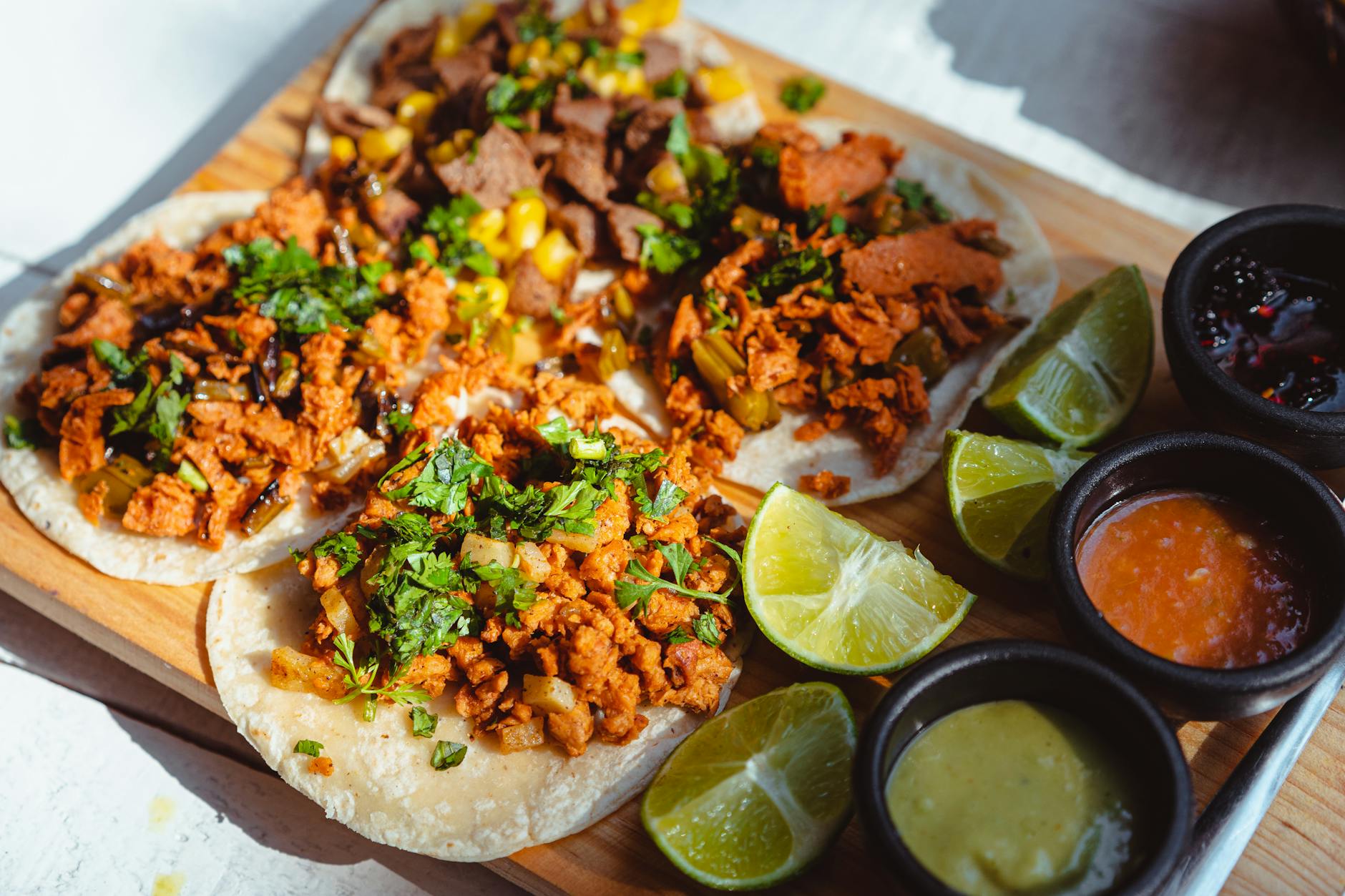
- Support local Mexican restaurants and bars by enjoying their tequila selections and traditional dishes.
- Take part in online forums or social media challenges, sharing your tequila stories and photos with the world.
Responsible Enjoyment
As with any spirited celebration, moderation and respect are key. Tequila, when enjoyed responsibly, opens doors to appreciation of culture, history, and craft. Always savor the flavors, honor the artisans behind your drink, and make memories that last beyond the clink of a glass.
Conclusion
The International Day of Tequila is a vibrant celebration that transcends borders and generations. It brings people together in appreciation of a spirit that is at once ancient and ever-evolving, humble and sophisticated. Whether you toast with a smooth añejo, shake up a zesty margarita, or simply learn something new about Mexico’s “gift to the world,” July 24th is the perfect occasion to honor tequila’s enduring legacy.
So, on the next International Day of Tequila, raise your glass—¡Salud!—to the culture, tradition, and artistry that make tequila a truly international treasure.
Author: AllMexico.store
References
Mexican Government Día Internacional del Tequila | Secretaría de Medio Ambiente y Recursos Naturales | Gobierno | gob.mx

Read more…