Oaxaca is one of Mexico’s most culturally rich states, celebrated for its vibrant festivals, world-famous cuisine, and extraordinary handmade textiles. For centuries, Indigenous communities have preserved weaving techniques passed down through generations, creating stunning fabrics that reflect history, identity, and artistic excellence.
Whether you’re shopping for authentic Mexican souvenirs or learning about traditional craftsmanship, Oaxaca textiles offer a fascinating glimpse into Mexico’s living heritage.
The History of Oaxaca Textiles
Textile production in Oaxaca dates back thousands of years to the Zapotec and Mixtec civilizations. Before the arrival of the Spanish, artisans wove cotton using simple backstrap looms to create clothing, ceremonial garments, and household items.
Spanish influence introduced sheep and wool to the region during the 16th century. This transformed Oaxaca’s textile industry, leading to the creation of handwoven wool rugs, blankets, and tapestries that remain highly sought after today.
Today, many families continue these ancient traditions while incorporating modern designs and sustainable practices.
Traditional Weaving Techniques of Oaxaca
One of the most remarkable aspects of Oaxaca textiles is the variety of weaving methods still practiced today.
Backstrap Loom Weaving
The backstrap loom is one of the oldest weaving techniques in the Americas. The loom is secured around the weaver’s waist, allowing artisans to create intricate fabrics with exceptional precision.
This technique is commonly used for: huipiles, shawls (rebozos), table runners, scarves, decorative fabrics.
Every woven piece reflects countless hours of skilled craftsmanship.
Pedal Loom Weaving
Introduced during the colonial era, the pedal loom allows artisans to weave larger wool textiles, including:
- Zapotec rugs
- Blankets
- Wall hangings
- Carpets
- Decorative tapestries
Many workshops combine traditional patterns with contemporary color palettes to appeal to collectors worldwide.
Natural Dyes: Color from Nature
One of the defining features of authentic Oaxaca textiles is the use of natural dyes.
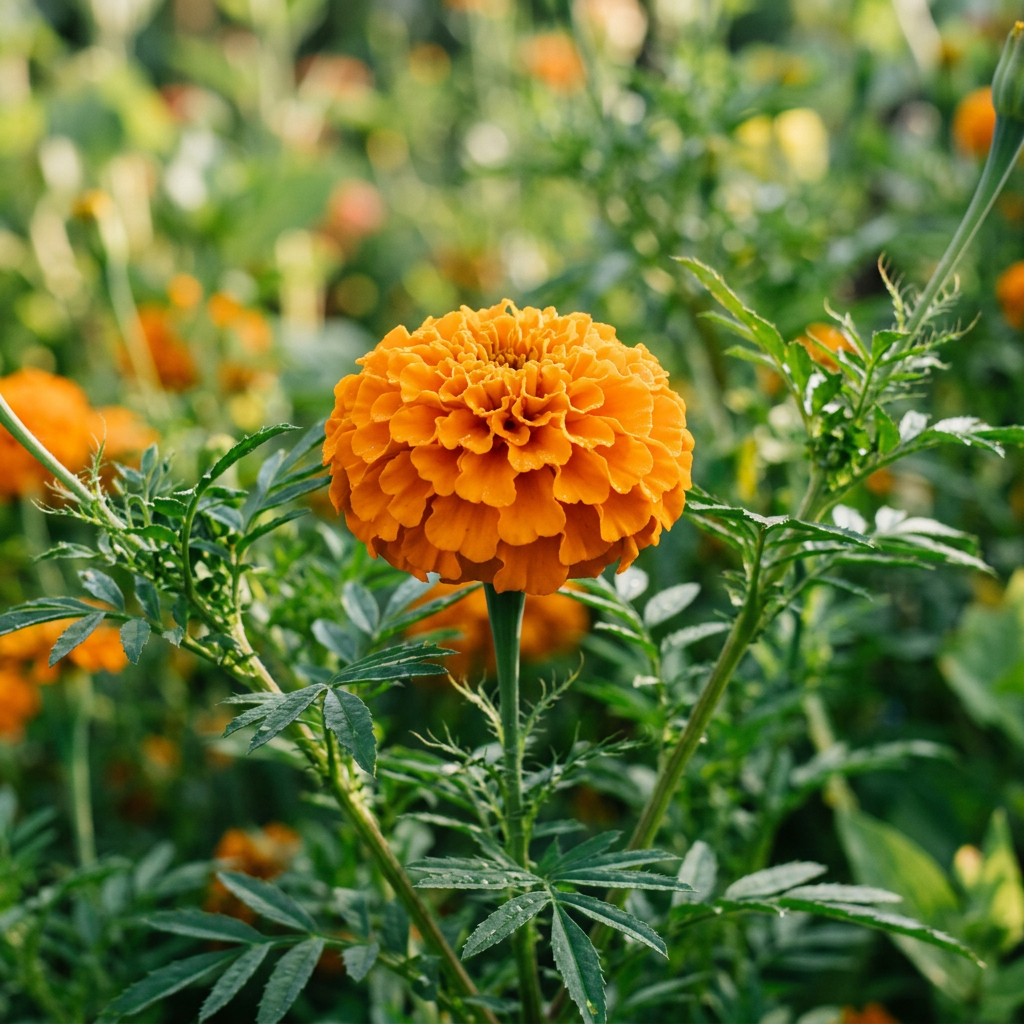
Artisans create vibrant colors using local plants, insects, and minerals, including: cochineal insects for brilliant reds, indigo plants for deep blues, marigold flowers for golden yellows, walnut shells for rich browns, and mosses and native plants for greens
Natural dyeing is environmentally friendly and produces unique shades that cannot be replicated by synthetic dyes.
Popular Oaxaca Textile Products
Popular Oaxacan textile items include:
- Zapotec wool rugs
- Huipiles
- Table runners
- Cushion covers
- Blankets
- Shawls
- Handwoven handbags
- Decorative wall hangings
- Scarves
- Pillow covers
Each handcrafted item supports local artisans and helps preserve centuries-old traditions.
The Meaning Behind Traditional Oaxacan Textile Patterns
Many Oaxaca textile designs carry symbolic meanings inspired by nature and Indigenous beliefs.
Common motifs include:
- Mountains representing strength
- Diamonds symbolizing the four directions
- Birds representing freedom
- Rain and water patterns signifying life
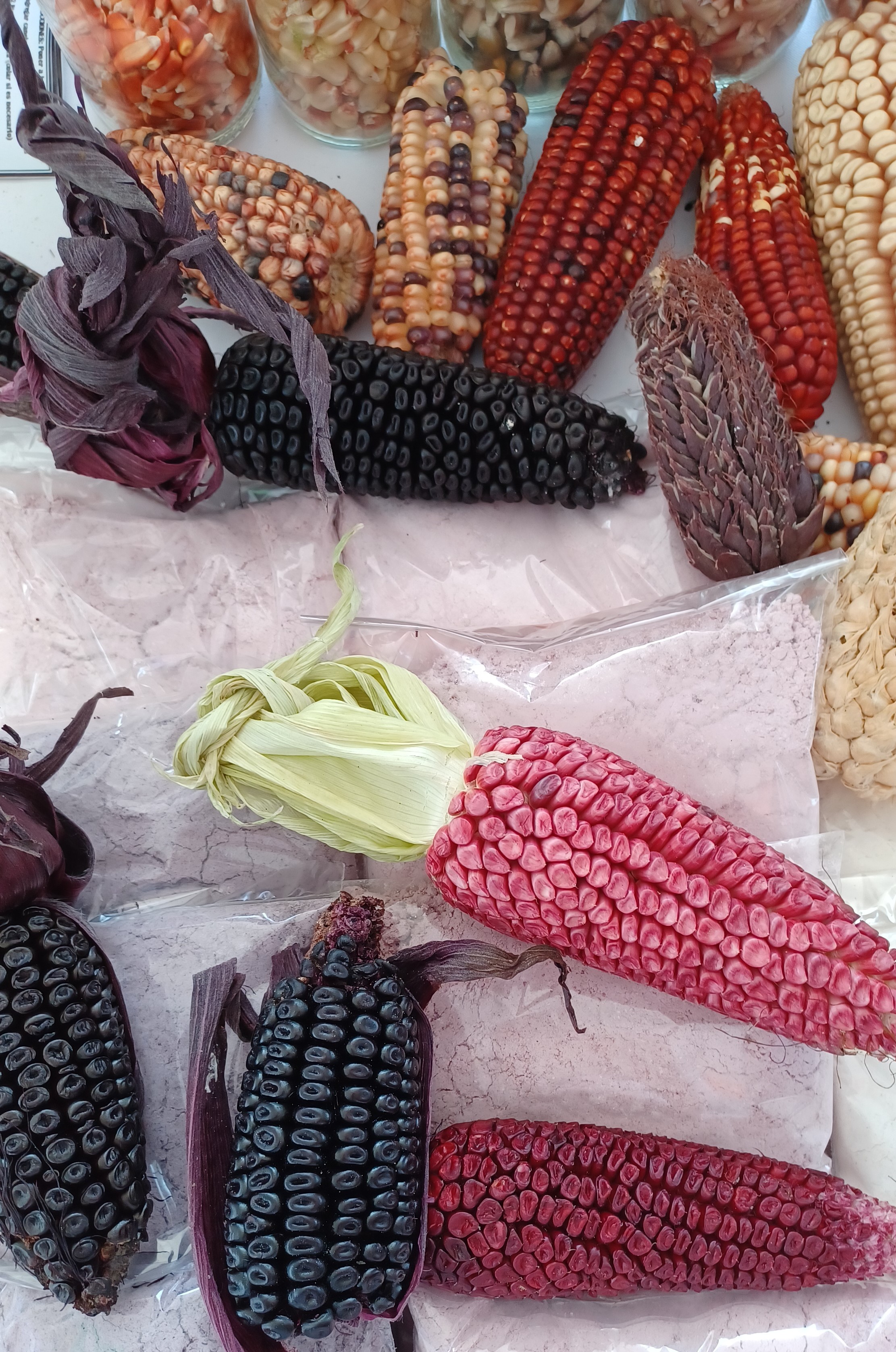
- Corn designs honoring agriculture
- Geometric shapes reflecting Zapotec cosmology
Every pattern tells a story rooted in Oaxaca’s cultural identity.

Sustainable and Ethical Craftsmanship
Many artisan families use: hand-spun wool, natural dyes, renewable weaving techniques, locally sourced materials, and traditional family workshops. Purchasing directly from artisans helps preserve Indigenous knowledge while providing economic opportunities for local communities.
Buying authentic Oaxaca textiles supports sustainable tourism and fair trade practices.
Oaxacan Mixte Artisan Made, Woven Bag – All México
Why Oaxaca Textiles Are World-Renowned
From colorful huipiles to intricately woven Zapotec rugs, Oaxaca textiles are among Mexico’s most treasured artistic traditions. Their beauty lies not only in their vibrant colors and detailed craftsmanship but also in the stories, culture, and history woven into every thread.
Whether decorating your home or adding a unique piece to your wardrobe, authentic Oaxaca textiles are lasting works of art that celebrate the creativity and heritage of Mexico.

Famous Textile Villages in Oaxaca
Several communities are internationally recognized for their textile traditions.
Teotitlán del Valle
Known as the heart of Zapotec rug weaving, this village produces world-famous handwoven wool rugs using traditional geometric designs and natural dyes.

Santo Tomás Jalieza
This community specializes in delicate backstrap loom weaving, producing belts, handbags, table linens, and embroidered accessories.
San Antonino Castillo Velasco
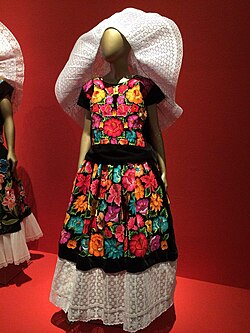
This village is renowned for beautifully embroidered dresses, blouses, and floral designs that showcase exceptional needlework.
Author: AllMexico.store
References
Textiles de Oaxaca | Arqueología Mexicana
Inicio – Museo Textil de Oaxaca