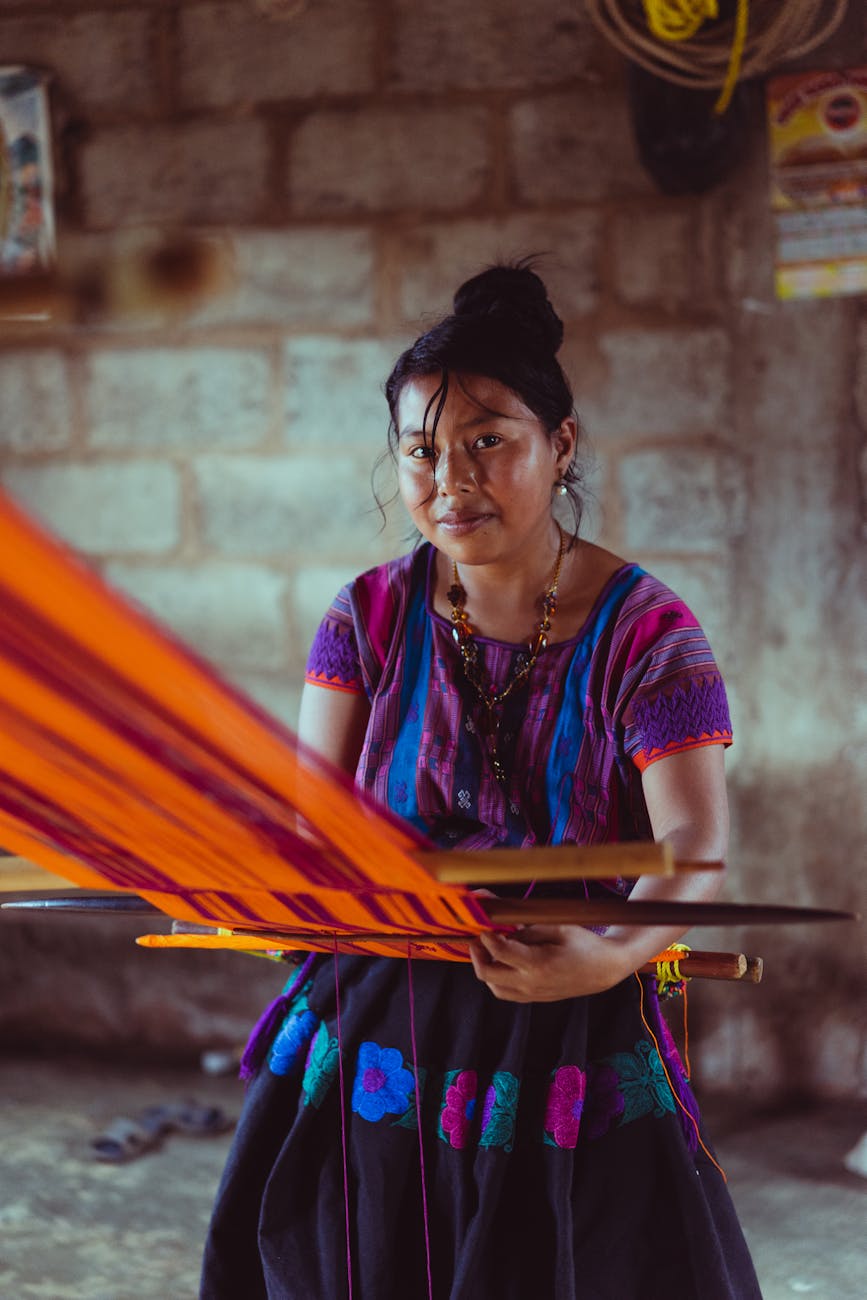
In Mexico, the Day of Indigenous Women is celebrated every September 5 to pay tribute to the contributions of women belonging to indigenous peoples and communities.
Introduction
The Day of Indigenous Women is a day of profound significance and reflection, set aside to honor and celebrate the enduring strength, resilience, and invaluable contributions of Indigenous women around the world. This day is not only a celebration of heritage, but also a call for recognition, respect, and justice for Indigenous women, who have historically been marginalized, yet continue to be the bearers of culture, tradition, and wisdom in their communities.
Origins of Day of Indigenous Women
Indigenous Woman’s Day is commemorated in Mexico. Some communities have specifically designated days to recognize Indigenous women, often tied to grassroots activism and the ongoing struggle for equality and justice.
The purpose of is multifaceted:
- To honor the leadership and achievements of Indigenous women in all walks of life—including culture, education, governance, arts, and land stewardship.
- To bring attention to the challenges and injustices faced by Indigenous women, including violence, discrimination, and marginalization.
- To celebrate and revitalize Indigenous languages, cultures, and traditions passed down by women through generations.
- To promote solidarity and allyship in the ongoing advocacy for the rights and well-being of Indigenous women and girls.
Historical Contributions of Indigenous Women
Throughout history, Indigenous women have played essential roles as knowledge keepers, healers, leaders, artists, and activists. As matriarchs, they have shaped the spiritual, political, and social frameworks of their nations. Their wisdom and care are deeply embedded in the fabric of Indigenous life.
Celebrating Indigenous Women
The Day of Indigenous Women is a celebration of creativity, resilience, and leadership. Indigenous women are acclaimed artists, writers, musicians, scientists, and entrepreneurs. Their work bridges ancient traditions and contemporary expression, fostering cultural continuity and innovation.

Gabriela Salas is the first indigenous woman in the field of technology to be recognized by UNESCO.
- Art: From beadwork to painting, Indigenous women artists in Mexico use their craft to tell powerful stories, reclaim histories, and inspire healing.
- Language Revitalization: Many Indigenous women are at the forefront of efforts to preserve and teach Indigenous languages, which are vital to cultural identity and survival.
- Environmental Stewardship: As caretakers of the land, Indigenous women lead environmental and climate justice initiatives, advocating for the protection of Mother Earth.
- Governance: Increasingly, Indigenous women are assuming leadership roles in local, national, and international platforms, shaping policy and advocating for community well-being.
Communities Honor Indigenous Women
Indigenous Woman’s Day is marked in diverse ways, reflecting unique traditions and local realities. Common elements include:
- Ceremonies and Gatherings: Communities may hold feasts, drum circles, storytelling, and traditional dances to honor matriarchs and elders.
- Exhibits and Performances: Showcasing the work of Indigenous women artists, musicians, and writers fosters cultural pride and education.
- Public Demonstrations: Marches, rallies, and calls to action demand justice for missing and murdered Indigenous women and raise awareness of ongoing challenges.
Contemporary Challenges
Despite their resilience and achievements, Indigenous women in Mexico face disproportionate challenges today. The legacy of colonization, forced assimilation, and systemic racism continues to affect their communities. Indigenous women experience higher rates of violence, poverty, and health disparities compared to non-Indigenous populations.
In Mexico, Indigenous women are demanding full participation in political, economic and social decision-making through different social movements.
- At the national level in Mexico, according to estimates based on the sample of the 2020 Population and Housing Census, of the total population aged three years and older, 19.5 percent considered themselves indigenous according to their culture, history and traditions; 6.3 percent of the population aged three years and older spoke an indigenous language (HLI).
- Also in Mexico, the distribution of the population by indigenous language according to sex shows that 51.2 percent of indigenous language speakers were women and 48.8 percent men.
Access to education, healthcare, and economic opportunities remains an ongoing struggle for many Indigenous women, particularly in remote or underserved communities. Yet, despite these obstacles, Indigenous women continue to demonstrate extraordinary strength, resilience, and healing.

“I am the first Rarámuri woman doctor to graduate from the Faculty of Medicine of the Autonomous University of Chihuahua”, says Benilda Figueroa Viniegra.
She broke social barriers to prepare for serve her community at the Rural Hospital of Guachochi, in the state of Chihuahua, Mexico.
Conclusion
In Mexico, Indigenous Woman’s Day is a day of memory, gratitude, and powerful hope. It is a time to recognize the immeasurable contributions of Indigenous women, to mourn injustices, and to commit—every day—to a world where Indigenous women and girls are safe, respected, and empowered. Through celebration, remembrance, and action, we honor the unbroken lineage of strength, wisdom, and love that Indigenous women have given, and continue to give, to all of humanity.
Author: AllMexico.store